

Your facility is one of your greatest financial assets. There’s a multitude of questions to consider when constructing a new building or upfitting an existing structure, all of which has its own cost attached to it. It’s vital, therefore, to take into account the following four components when developing your facility’s electrical plan: general and specialized electrical load requirements, lighting systems, electrical distribution system, and applicable codes and industry standards.
General and Specialized Electrical Load
General electrical requirements are just that. They are the items most buildings requires such as the 120 volt general purpose receptacle outlets located throughout a building. These receptacles are usually not specified to serve any particular load, but rather are for general purpose use such as standard wall receptacles, desktop devices, etc.
Certain projects may include specialized electrical equipment that requires dedicated or separate electrical circuitry. This specialized equipment may include the following:
- Plotter / Printer
- Vending machines
- IT racks
- Microwave ovens, refrigerator and other breakroom appliances
- Overhead doors
Lighting Systems
Based on their complexity and variety of selections, lighting systems are part of the design process that generally require the greatest amount of time to develop. The designs are based on an objective understanding of the project goals and budget. These systems include all the lighting fixtures with their specifications and their controls, per NEC and energy code requirement.
The Owner/Architect will first select the fixtures they want to use based on their requirement. For complex or larger projects, owners often involve an interior designer to help develop the lighting aesthetic while remaining within the budgeting requirements. That said, electrical designers are equally as capable of designing a lighting system, but it may lean more toward meeting electrical requirements and code standards rather than fulfilling the aesthetic preferences of the architectural design.
Aesthetics aside, lighting is not an area for cutting corners, as poor lighting can lead to potentially costly accidents. Beyond this, a dimly lit commercial property may not be inviting or accessible to customers, which can result in a loss of revenue. Incorrectly installed fixtures or those that are less expensive may need frequent repairs or at worst, replacement, ultimately costing more money in the long run. Installing high-quality / modern lights and fixtures may increase the budget somewhat initially, but in the end, will provide safety for staff and guests as well as a more attractive ambience to new prospects.
Electrical Distribution System
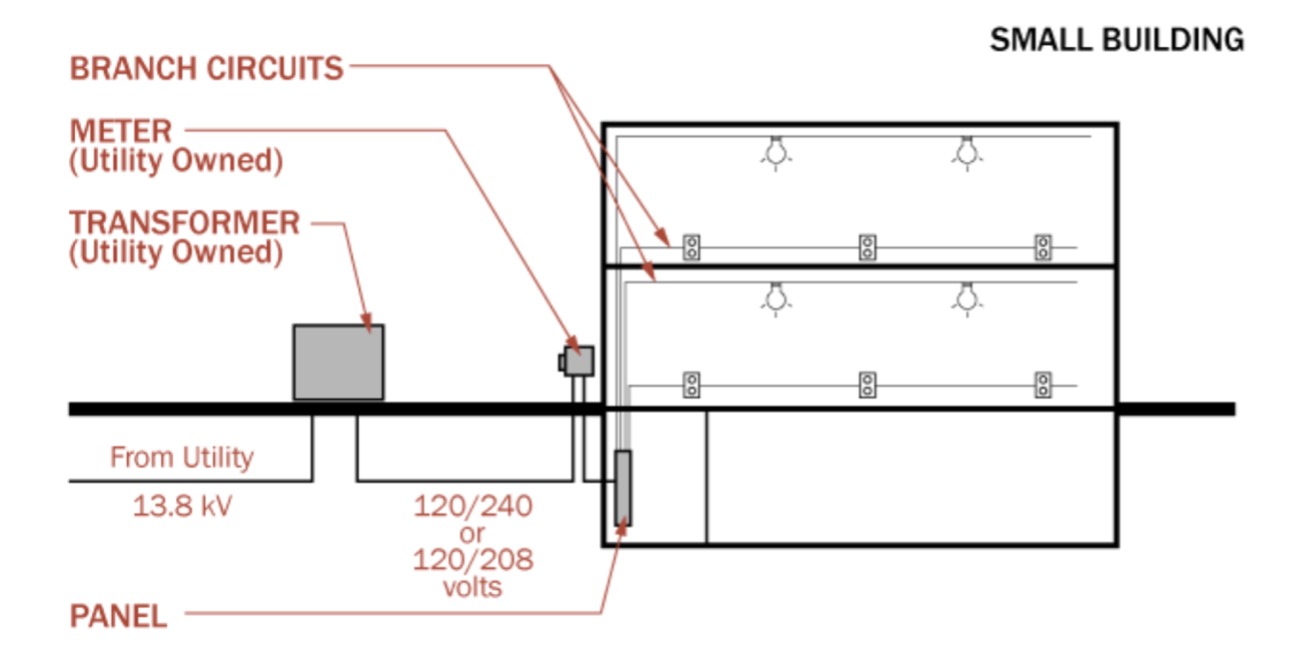
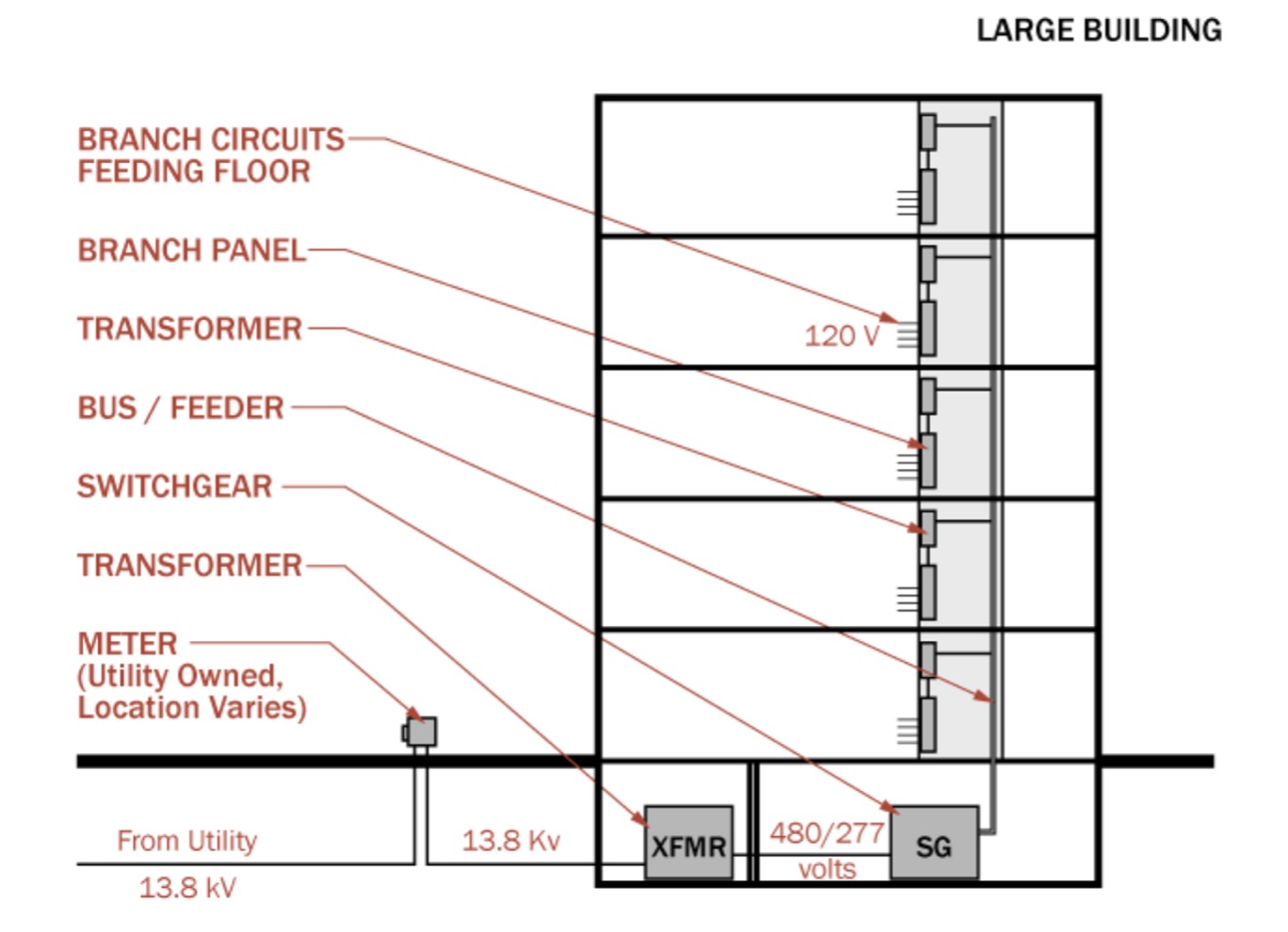
A distribution system is responsible for dispensing electric power for local use. Generally, it is situated between the substation fed by the transmission system and the consumer’s meters. Examples include the main switchboard, main distribution panel, meter centers, etc. They receive their power source from the serving utility, and then, distribute power to all the required branch circuits throughout the facility via the associated sub panels.
Electrical engineers like ours at VP Engineering may provide various electrical distribution options, including their pros and cons. The owner, then armed with the necessary information, will decide which one to select based on their project and budgetary requirements.
A properly designed electrical distribution system will help in the long run to not only avoid maintenance and staff safety issues, but also positively impact your bottom line. As an example, a poorly designed electrical distribution system may cause the breaker(s) in the electrical panel to trip, possibly resulting in an increase of maintenance calls and ultimately, a drain on your budget.


Applicable Codes and Standards
As most in the industry are aware (and many of those that are not), the primary objective of regulatory codes and standards is to safeguard persons and property from hazards arising from the use of electricity. Not only do codes protect life and property, they also help cities and building owners avoid lawsuits by creating a standard set of laws that people can universally adhere to.
The primary industry standard is the National Electrical Code (NEC), published by the National Fire Protection Association (NFPA). Although the code is applied on a national level, some local jurisdictions may have additional standards that exceed the requirements of the NEC or they may use a previous edition of the Code. Once each part of the design plan has been defined, the next stage is to adapt the design to industry recognized standards, may it be national and/or local requirements.
Some projects also will have additional requirements based on their specific components, such as those including specialized electrical equipment. Owners will need to provide specifications for all of these equipment. An electrical designer should always consider manufacturer guidelines for these equipment and use the appropriate electrical equipment standards set forth by the manufacturer for overcurrent protection sizes, specialized grounding requirements, and so forth.
Clearly, having a skilled electrical designer is critical to developing an electrical plan that is right for your building, your budget, your staff and your customers. Don’t make a costly misstep early in the design phase. Contact us at VP Engineering today to see how we can help your ignite your project in a positive way!
______
About VP Engineering
VP Engineering is a top Charlotte-based MEP design firm offering engineering expertise in senior living, multi-family, hospitality, and retail/commercial markets worldwide. With experience in a wide range of building types, our MEP engineering services help keep projects on budget and achieve your goals. Learn more at oldvpce.kantsios.com.